Confirm the handoff
Ask the receiving program what it accepts, how it wants the tabs prepared and where the final delivery goes.

Pop Tab Drive Hub
Set the goal. Make the progress visible. Give every jar, classroom and volunteer a clear part to play. The complete organizer toolkit starts here.
Start with the job
Choose the route that gets you unstuck fastest.
Choose the scale, kickoff setup and starting pack without guessing at collection rates.
Build the launch →Create the sign, set the first update day and give every station an owner.
Open the launch tools →Use the 30-day rhythm, a visible milestone and one outside collection source.
Restart the movement →Interactive drive builder
Set the goal, split it into clear milestones, generate the launch message and see the starting supply that fits the setup you control.
Keep purchased launch inventory separate from the community-collected total unless the receiving program approves combining them.
A drive people can follow
Four visible moments are easier to manage than a vague request to “bring in tabs.”
Ask the receiving program what it accepts, how it wants the tabs prepared and where the final delivery goes.
Post one number, one deadline, one drop-off location and the day the total will be updated.
Update on the same day, show what remains and name the next checkpoint instead of restarting the pitch.
Share the final community-collected total, thank contributors and complete the handoff using the program’s instructions.
Use only what you need
The plan above handles the numbers. These tools handle the public-facing pieces and the handoff.
Turn the cause, goal, deadline and drop-off details into a sign people can understand at a glance.
Open the sign builder → Run the campaignKeep station owners, update days, milestones and final delivery details in one working checklist.
Open the run sheet → Need the full walkthrough?Use the longer guide when a school, workplace or community group needs the entire process explained.
Read the guide → Questions from the group?Find clear background information and practical answers without interrupting the organizer workflow.
Open the encyclopedia →Drive-size launch packs
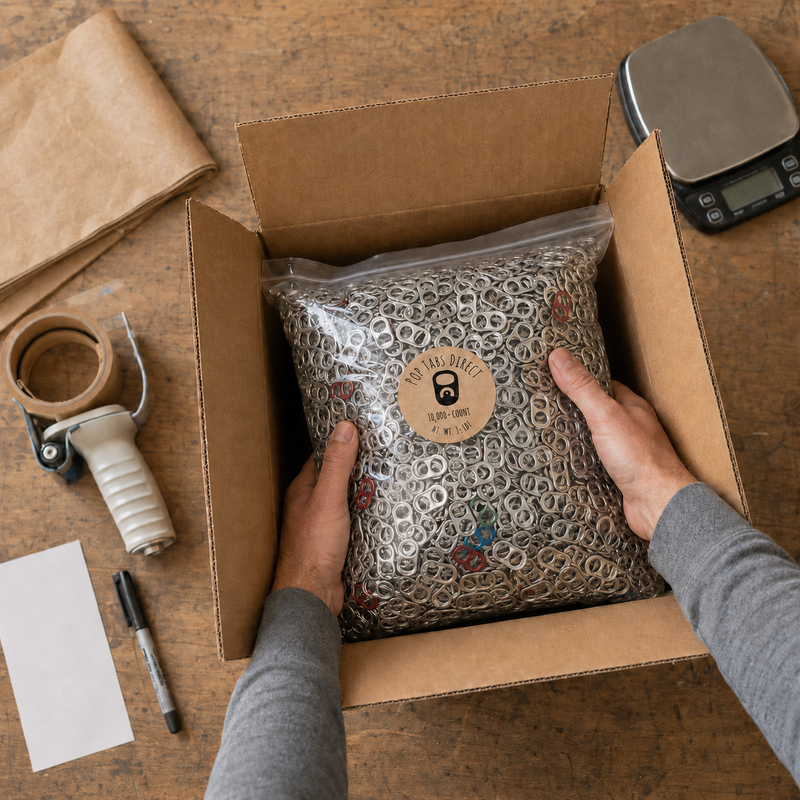
One classroom, club, team or focused collection station.
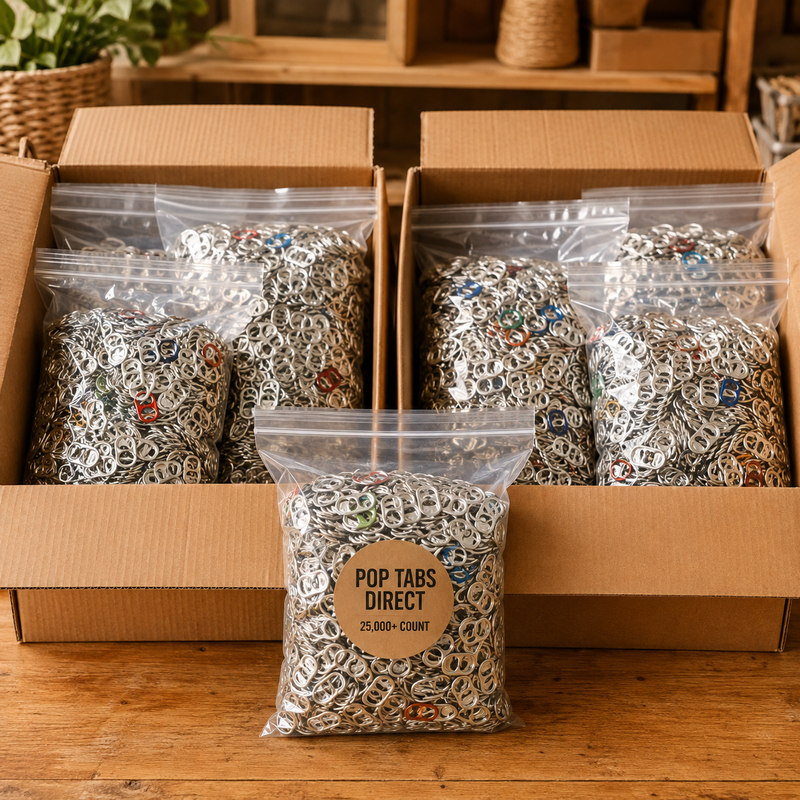
Several teams, starter jars or public collection stations.
Planning a 50,000+ or 75,000+ setup? Compare the full size range for multiple buildings, more collection stations or a larger kickoff.
Compare larger packsVerify the material it accepts, whether it counts or weighs, its deadline or delivery schedule and the correct handoff location. Requirements belong to that organization—not to the sign template.
Quick answers
A visible start gives people a number to beat, makes the launch photo stronger and lets every team or station begin from the same line.
Keep the cause, goal, deadline, accepted material and drop-off spot visible from several feet away. Add the next update day so people know when to look for progress.
Use the same day every week. Consistency matters more than posting constantly. Add a quick milestone, contributor spotlight or short challenge when the pace slows.
Use only as many stations as someone can check, empty and update reliably. One visible station can outperform several neglected ones. Add locations when each has an owner and a clear pickup routine.
Four weeks is a practical default for a focused school or organization campaign. A shorter drive needs a concentrated kickoff; a longer one needs scheduled milestones so it does not fade into the background.
Use one consistent method for every team and follow the receiving program’s delivery instructions. Counting matches a tab-based public goal; weighing is faster at large totals.
Ask the receiving chapter or program. Rules differ. If purchased starter tabs are used for displays, team kits or activities, describe that use honestly.
Build the first win
Use the playbook to launch it—or choose the pack that gives the kickoff something people can see.